 Training
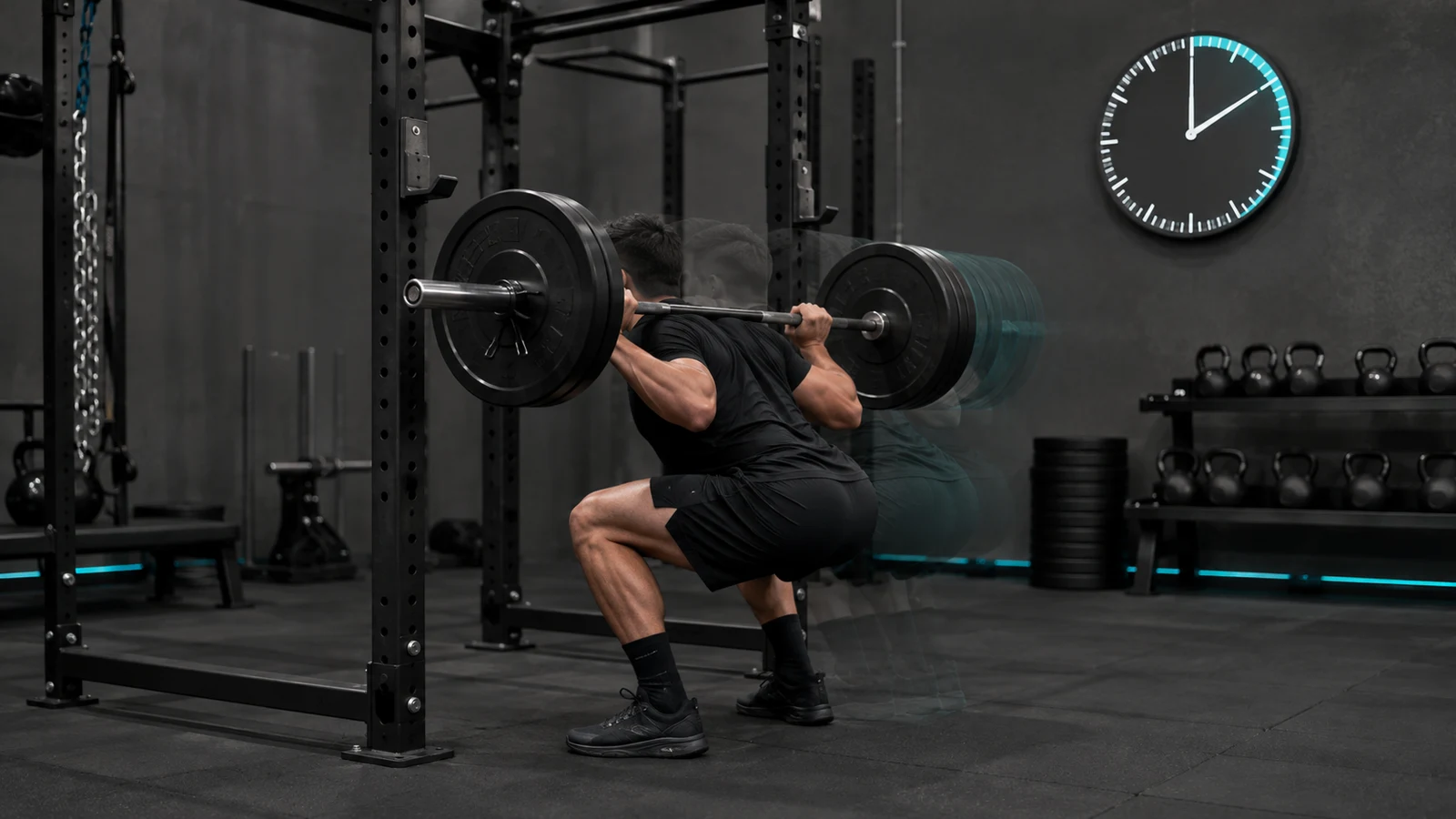
Slow vs Traditional Squat Tempo to Failure: What the Study Found
A crossover study compared slow and traditional barbell squats taken to failure. The tempos redistributed stress rather than producing one universal winner.

Tag
10 articles
TrainingA crossover study compared slow and traditional barbell squats taken to failure. The tempos redistributed stress rather than producing one universal winner.
 Training
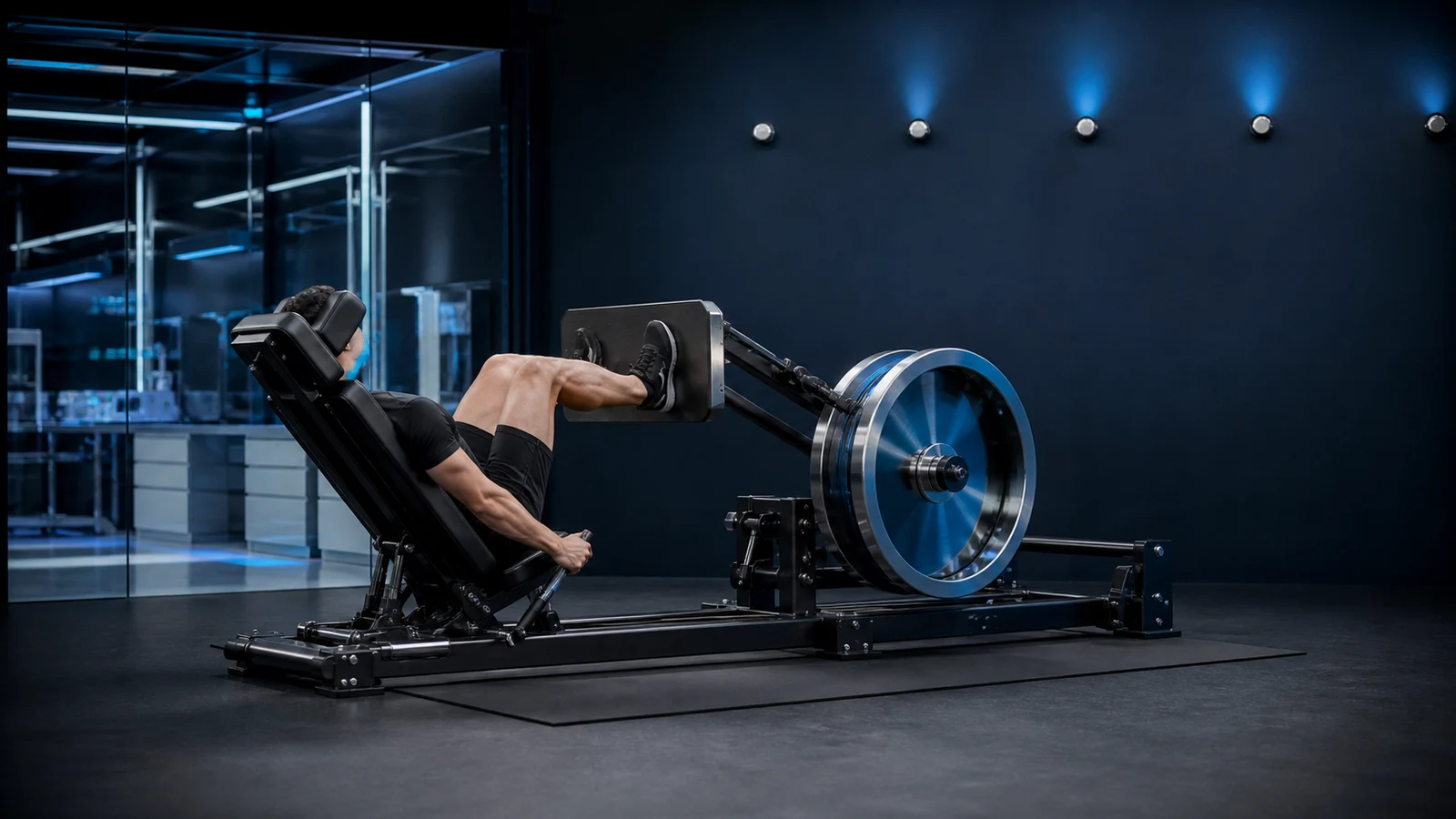
A six-week trial split the same 30 flywheel leg-press sets into daily microdoses or one weekly session. Strength gains were similar, but soreness and architecture differed.
 Diet
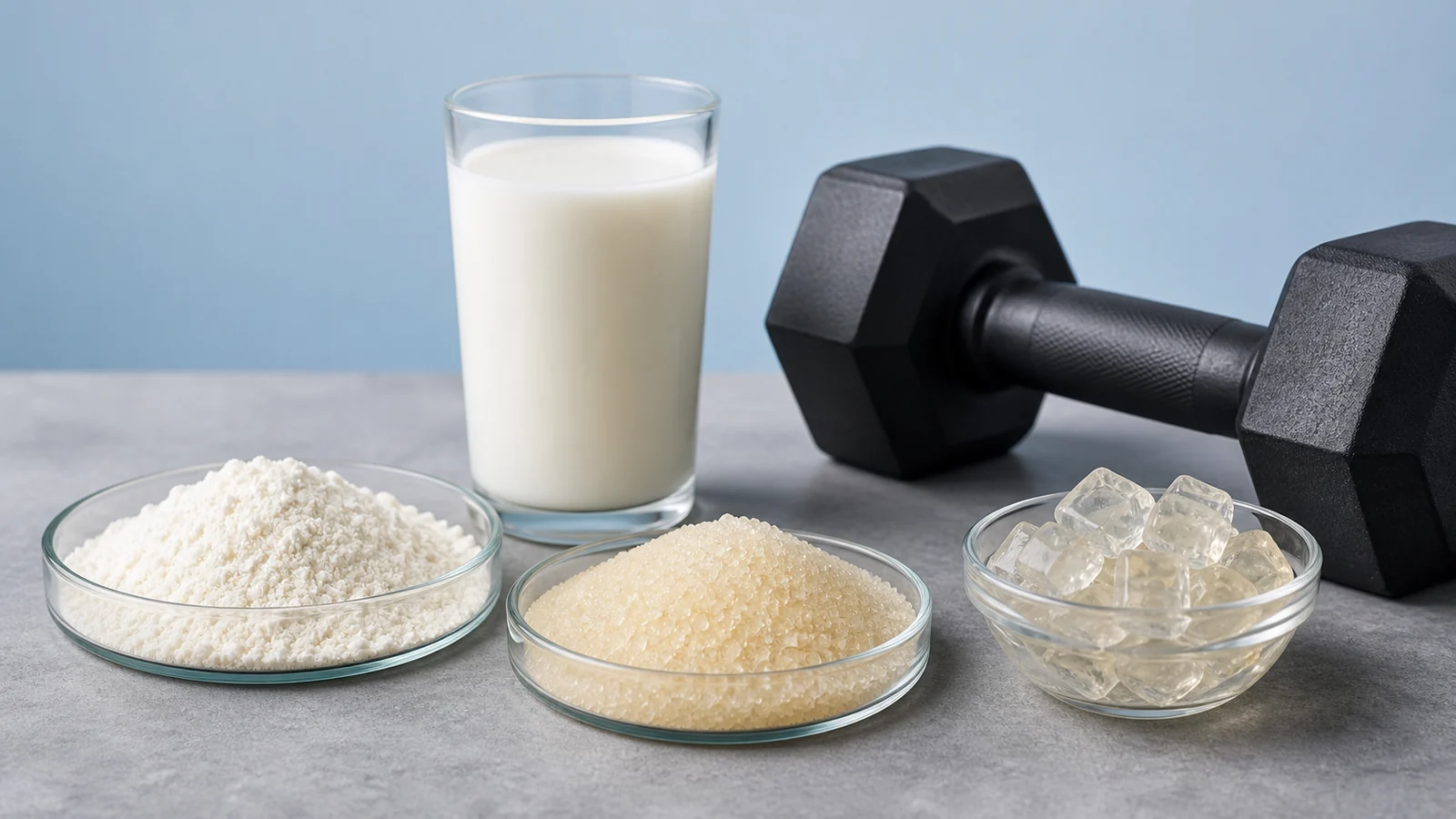
DietA four-arm trial reported large eight-week changes with whey plus collagen, but tiny groups, short bone follow-up, BIA, and retrospective registration require caution.
 Training
An eight-week trial tested 0%, 15%, and 40% squat velocity-loss thresholds before running, revealing muscle, strength, and endurance tradeoffs.
 Training
A within-participant trial found no advantage to concentrating resistance-training volume in the follicular or luteal phase over balanced training.
 Training
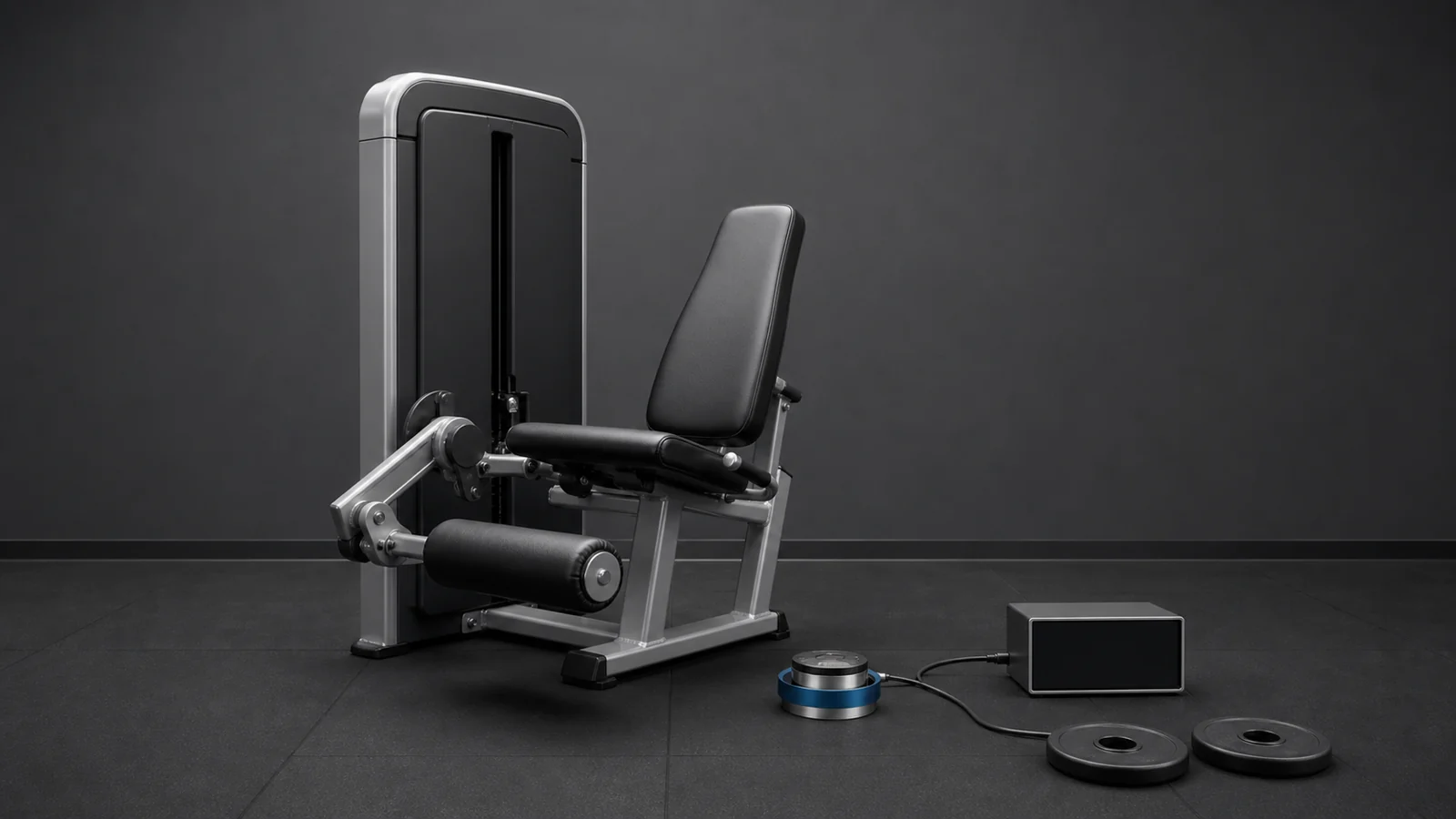
A 12-week squat study compared accentuated eccentric training one, two, or three days per week in trained athletes. Most outcomes were similar.
 Training
An eight-week single-set trial compared momentary failure with stopping at an estimated two reps in reserve. Both approaches improved most outcomes.
 Training
A 67-study meta-regression links more weekly sets with greater gains, but diminishing returns and set-counting choices make the result more nuanced.
 Training
An eight-week randomized study found more triceps growth when load increased after participants reached the top of an 8–12-rep range, although the nonprogressive condition also grew.
 News
NewsACSM’s new position stand synthesizes 137 reviews and separates the training variables that consistently influence strength, hypertrophy, power, and physical function from those that do not.
The community
The articles are the reference — the forum is where it gets real. Cycles, bloodwork, training logs, source talk.